Komposition
László Moholy-Nagy · 1920s
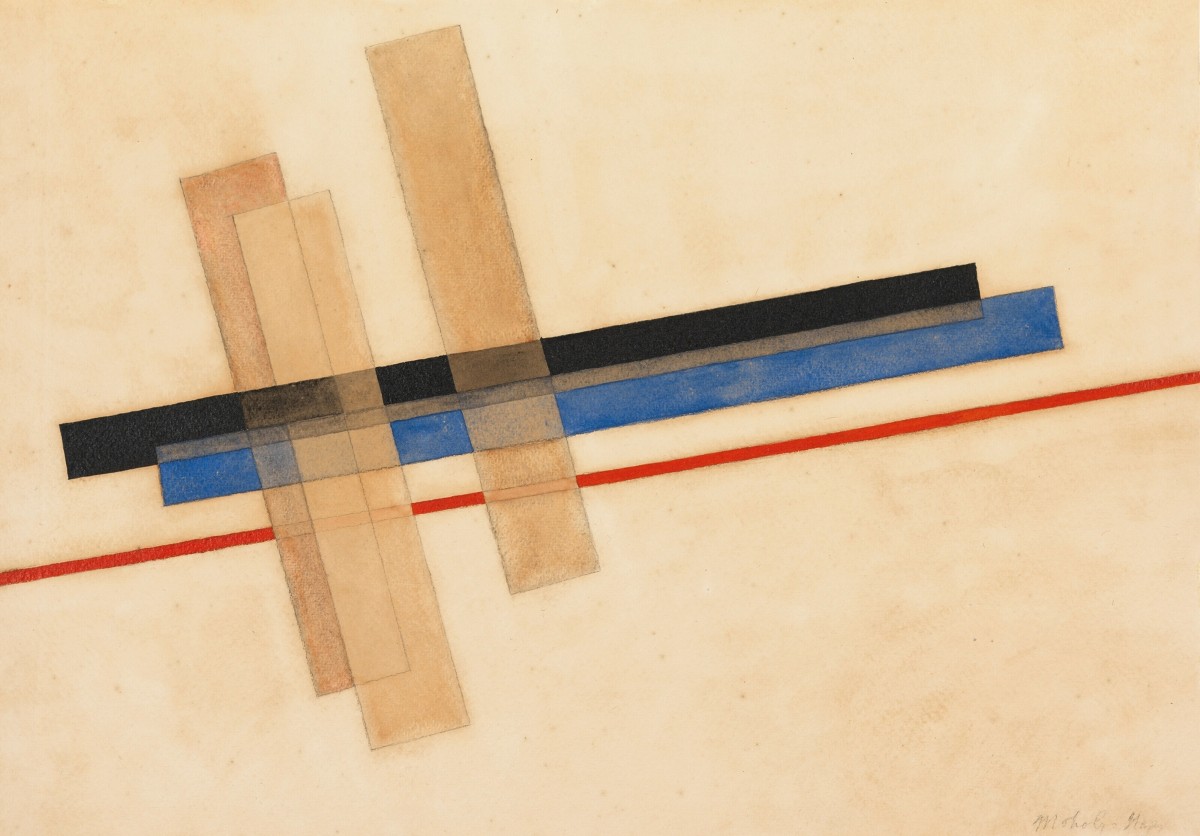
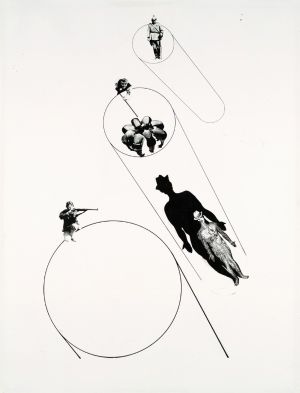
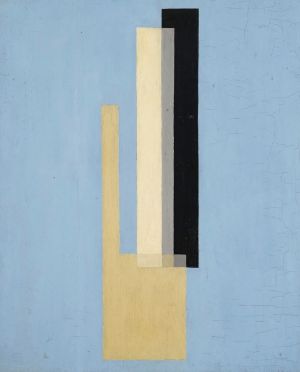
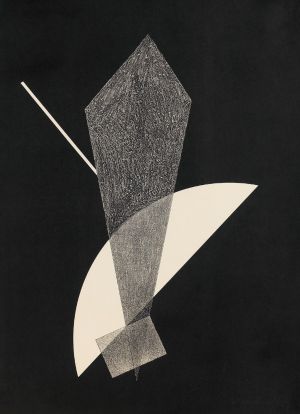
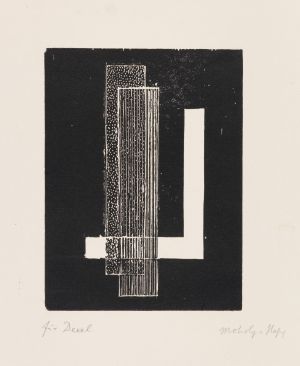
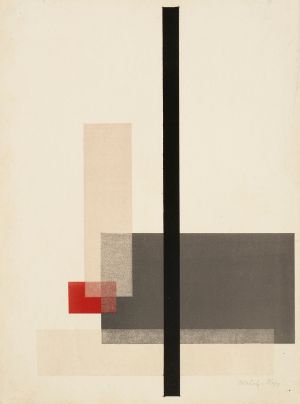
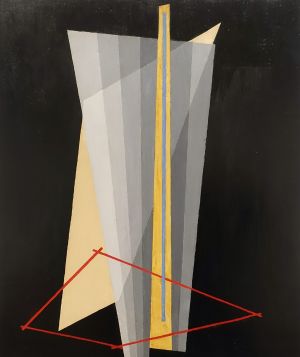
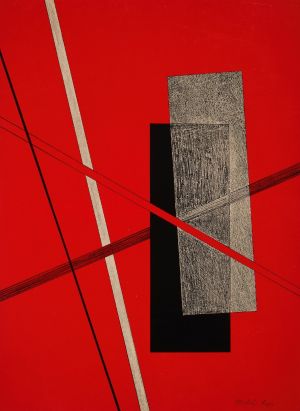
László Moholy-Nagy was a key figure at the famous Bauhaus school, where he believed art and technology should be best friends. In this 1920s composition, he treats the paper like a blueprint, layering translucent beige rectangles over bold, opaque bars of black and blue, while a striking red line cuts diagonally across the scene. It looks like an architectural diagram that decided to break free from its grid, playfully exploring how light and transparency interact on a flat surface. This approach was revolutionary because it stripped art down to its purest elements—line, color, and form—proving you don't need to paint a bowl of fruit to make something beautiful.
- Date
- 1920s
- Century
- 20C
- Culture
- Hungarian