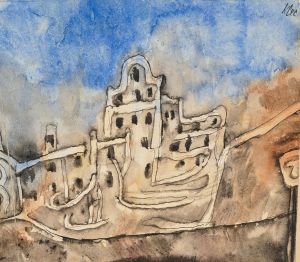
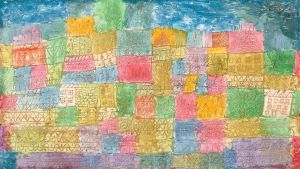
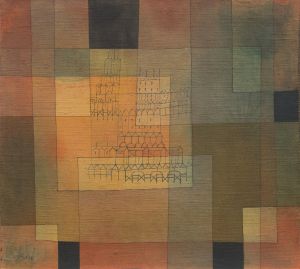
Façade Brown-Green
Paul Klee · 1919

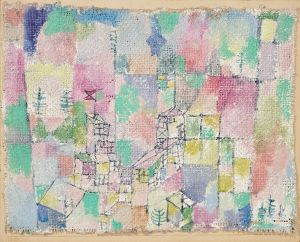
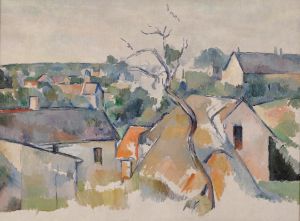
Paul Klee's 'Façade Brown-Green' looks like a child's block city exploded and reassembled by a mathematician. Painted in 1919, shortly after World War I, Klee moved away from pure abstraction to create these geometric, almost architectural dreamscapes. The earthy browns and muted greens give it a cozy, autumnal feel, while the jagged lines and overlapping shapes make you feel like you're looking at a town from a bird's-eye view in a cubist fever dream. It's a perfect example of how Klee could make rigid geometry feel playful and full of life.
- Date
- 1919
- Century
- 20C
- Culture
- German
10 views